Sunday, June 6, 2010

Find cheap Naruto Chibi Toys Characters

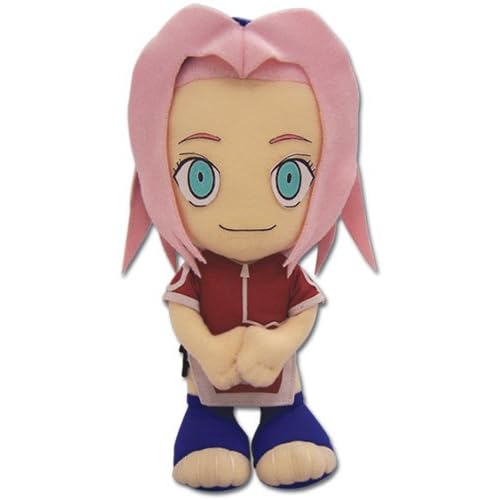
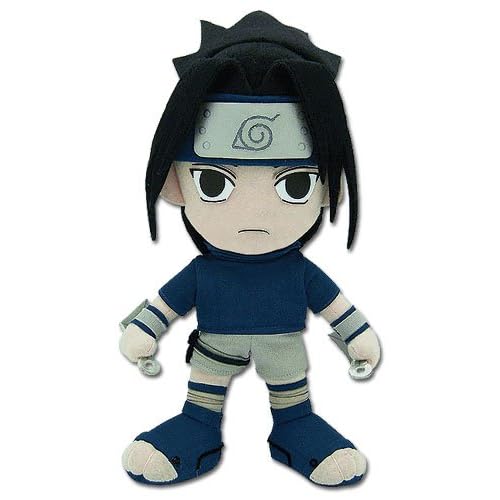
Today, I want to gift my nephew Naruto toys, and browse on amazon. So I think he will be love my gift. This Naruto chibi dolls are cheap, so I can buy for him Naruto, Sakura and Sasuke. Maybe if I have enough money again, I will buy the rest, so his collection will be complete. This toys made from soft plush material
and the size is 8 inches in height. So guys, what do you think with these toys?


Click here for Naruto Chibi Toys Price Information


Click here for Sakura Chibi Toys Price Information


Click here for Sasuke Chibi Toys Price Information


Read Full Entry

Monday, February 8, 2010

Japanese Sunny People - Tomy Hidamari no Tami Desk Toys

Sunny People to relieve you from stress. This toys can be used to relieve weary and stresses. Produced by Tomy,Japan’s “healing line” has named NOHOHON ZOKU or means NOHOHON Family. This toys is not for play but just only for watch.

Nohohon Zoku consist of 3 type :

1. Hidamari No Tami (means Sunny People)
Hidamari No Tami storied live at world with a natural beauty, and they will be appears if someone feels stresses, worried or depression. Hidamari no Tami will be healing to those people by sway peacefully head from side to side or up and down.
This toys is solar powered and no batteries required. Released by many color like sakura flower’s pink, blue sky, green leaves, and yellow sunlight. This toys is compatible to put on desk or workbench witch has a good light. There is a place on the front to place small cards with messages as well. It is really relaxing to watch
This toy's head sway from side to side :
This toy's head sway up and down :


Christmas Edition :


2. Sunny People with sound. Batteries needed. Can release sound of nature.

Umi no Sasayaki release sound of ocean. .................. Mori no Sasayaki release forest sound.


3. Hanauta no Tami (means Humming People)
Batteries needed. They can sing and dance if you activated them.
This one has 3 different songs.................................With alarm clock has 12 different songs.


Buy this funny toys on Amazon

Read Full Entry

Thursday, July 3, 2008

Death Note


Genre : Psychological Thriller, Supernatural

Episod : 37

Death Note is a Japanese manga series originally written by Tsugumi Ohba and illustrated by Takeshi Obata.

Storied about a high school student name Light Yagami that discovered a mysterious book, known as the “Death Note”. This book has rules that whose name is written in it, that person shall die. This book change his life and make him turn into a killer using name Kira (derived from the Japanese pronunciation of the English word "Killer"). Soon, this serial killer make peoples feels fidgety although some peoples agree with Kira do. The International Police Organization arranges an investigation to revealing who Kira really is. For the investigation, the police hired L the detective who will reveal Kira true identity. In later episode turn out that the Death Note was not possess only by Light.

Characters :

Light Yagami (Kira)
Light Yagami is genius student and interest at the crime and corruption. His father is chief policeman, make he can follow up some cases truly and he feels disappointed with the results. After he discovered a Death Note, Light tough the Death Notes was a prank then he conducts experiment by write two criminal’s name in the death note and suddenly the criminals get killed. The true owner of his death notes is a Shinnigami (God of Death) named Ryuuk. Light kills all the criminal used the Death Note and peoples know him as Kira. Light became the God of New World by passing his judgment on criminals.

L
L is the legendary detective. He is number one Kira’s enemy. L has many quirks. He like sit in squatting position in chair, eat and drink something sweet in the important gathering, etc. But he has great power strategies to confuse and force Kira. In the end he makes his own life to trap Kira.


Misa Amane

Misa is a popular idol in Japan. At the day she will be killed with her number one fans, the Shinnigami name Jealous, write on her fans’ name into that book and drop that book for her soon as that fans killed. Misa was endorser Kira because the murderer of Misa's parents had been punished by Kira, After she has that book and Shinigami Eyes (that she obtained at the cost of half of her remaining life), she looking up who was Kira and found Light Yagami. Misa is completely devoted to Light, and loved him at the first sight. Light, however, only views her as an asset to his plans because of her Death Note and her Shinigami Eyes.


Near
Near was a primary candidate to become L's successor and calls himself N during the course of his investigations. Near is frequently shown playing with toys or his hair. Near also sits in an unusual manner similar to L, but with some slight differences. He offered to join forces with Mello to fight Kira, but Mello turned him down. Near then gained the support of the US government and formed the Secret Provision for Kira (SPK).


Mello

Mello was one of the person who make L's successor. An orphan who grew up with Near in Watari's shelter for gifted children. He is often eating chocolate bars. Once Light tries to find and kill him, which he manages to escape - but due to an explosion, making his scar over the left side of his face.


Teru Mikami

Mikami is selected as the fourth Kira by Light. He is completely devoted and loyal to Kira, believing that divine justice must be brought down upon the people. His personal life is poorly; he don’t have hobbies or anything else. He, like Misa, has made the exchange of half his remaining years for Shinigami Eyes.


Shinigami (The Death Gods)

Ryuk

The Shinigami who dropped the Death Note in the human world, which Light would pick up. Ryuk is not Light's ally, and in fact declares that some day Ryuk would write Light's name into his own Death Note, killing him. Ryuk enjoys watching Light killed people with death note. He likes apple very much.


Rem

She is Misa Amane's Shinigami. She took control as Misa Amane's Shinigami when one of her fellow shinigami (Jealous) died trying to make her life span larger. She cares Misa Amane because her heart is pure. Rem possesses two death notes because of the one she gained when her friend died plus she also had her own. She protect Misa from Light, and said if Misa Amane dies before her time, she will be write light's name on her death note.

Read Full Entry

Saturday, February 9, 2008

Anime's Glossaries

Anime
Anime have similar meaning with animation. Usually comes in the form of animated TV series’ or movie, video games, and comic books. Anime also can be used to describe other still art drawn in the same style. The style of animation or Anime are developed and commonly used in Japan since the 1950s. Anime can be read as “Annie-May”.

Baka
Can be interpreted fool or idiot. Commonly used in fanfics or just as an expression, that’s why “baka” can be considered as common insult in Japan.

BGM
Stands for "background music." This refers to the background music (usually instrumental) of an anime TV series, video game, or movie. They're usually fairly common and popular tracks among many anime soundtrack CDs.


Bish-
A prefix denoting beauty. A "bishoujo" is a young and beautiful girl and a "bishonen" is an attractive and often effeminate boy.

Cel
A single drawing on transparent plastic used in the production of animation. Cels or celshading are (usually) hand painted on a piece of transparent acetate and overlaid on a background picture to produce one frame of animation. Most modern animation is produced with digitally painted artwork, rather than hand-painted physical cels, although these images are still sometimes called cels, as in digital cels.

Chibi (CB)
Japanese for "small," "little," or "young." A "chibi" style drawing of an anime character usually depicts them as being baby-like, with smaller, chubbier bodies, larger eyes and head, and shorter arms and legs. CB is an acronym for Child Body, and is a prefix indicating a chibi style. Chibi characters are usually made to be extremely cute and endearing, and it's not uncommon for even villainous characters to be drawn as such.
CG (Computer Graphics)
Usually this refers to 3D animation (or backgrounds rendered from 3D models) done with computers, which is common in newer anime productions. It can also be used to describe art drawn on a computer, including traditional-looking animation, but that is a less common use.

Cosplay
The word is an Americanization of a Japanization of Costume Play; that phrase was adopted by the Japanese and shortened into Cosu-purei, which has been readopted into English as Cosplay. Cosplay is the act of dressing up as an anime character. Many fans tend to do this at Anime Expo (big anime conventions) or in a sort of amateur theater in which fans in costume reenact scenes from anime.

Doujinshi
Japanese for "fanzine." Doujinshi refers to manga produced by fans of anime and manga (drawn in manga style). These fan-made stories can use already existing anime and manga characters, or original ones. Doujinshi also can be catogories as mature version of manga but despite Doujinshi being technically illegal these are generally tolerated in Japan.

Dub
In the context of Anime, it almost always means a Japanese show dubbed with voices in English or another language (also, at times, songs as well). In the anime world, a "dub" is the English language version of an anime. Dubs are generally more popular than subtitled anime (though it depends on the series). Some fans only like dubbed versions, others (purists) hate them with a passion, and a small third group will accept either.

Eyecatch
Eyecatches are quick animation sequence shown in the middle of each episode of a Japanese TV series. Two halves of the eyecatch usually frame the mid-episode commercial break. The eyecatch is different with each anime, but it usually includes the anime's logo as well. Some newer OAVs also include these, though there would have been no commercial, because fans seem to like them.

Fansub
An anime episode or movie with subtitles made by fans themselves, and not by official companies. Technically, this is illegal, but fansubs help promote the anime market. Fansub usually distributed to anime market mostly via the Internet (digisubs). They are very popular among anime fans because many fansubs are made for episodes or movies of animes that haven't yet been officially released and dubbed/subtitled by American companies. Most of Fansub maker, create the subtitling of anime episode or movie, because their passion about anime, not to make a profit.

Fandub
A variant of the fansub, except rather than adding subtitles, the Japanese dialogue is edited out and replaced with a fan-made English dialogue. They are extremely rare.

Fanfic
Sort terms of fanfiction. Fanfics are usually created by fans who want to extend existing stories about their favorite characters past the official storyline of books or movies, without the approval of the creator/owner of the characters. Anime- or manga-based fanfics are popular, though fanfiction exists about many other types of characters, including some non-fictional ones. Usually written in installments and published on the Internet, the content ranges from continuations of the official story to improbable situations to erotica, and the quality of writing from crude to very skilled. But note that fanfic refers to an individual story, while fanfiction is used similarly to the plural to describe the type of material as a whole.

Fanservice
Usually used to mean, basically, otherwise unnecessary stuff thrown into a story to titillate adolescent male fans. It mostly includes shower/bath scenes or flashes of underwear that usually have little to do with the story but seem to be generally appreciated by fans. On a more positive note, fan service could also refer to anything shown in an anime that is unrelated to the story but is pleasing to the fans, such as cute animals, flashy outfits, cool looking robots, etc.

Filler Episode
Refers to an episode of an anime series that does not occur in the series of original manga. The purpose of filler episodes is to give the manga time to catch up with the anime or to make the anime last longer than the manga. Since the stories of filler episodes are not made by the series' original creator, they usually involve events in which nothing to do with the actual main story line. Instead, these episodes usually focus more on character develpoment, or they could just be randomly funny or cute episodes in an otherwise serious or action-packed anime series.

Graphic Novel
A manga book. They're usually around 150 - 200 pages long. Most manga is originally sold in a series of short, weekly issues. About 5 of these issues make up a graphic novel and divided by each chapter of the graphic novel.

Hentai
Consist from two Japanese characters “hen” and “tai”. “Hen” means “strange” and “tai” means “behavior”. So Hentai can be describing as “strange behavior”, but Hentai often attributable to porn. Short form from Hentai sometimes can be said as “Ecchi”.

Ecchi
Picking from the first character “H” from hentai which are read by Japanese as ecchi. The word ecchi are more euphemistically from hentai. The word H/ecchi has since developed into a slightly different meaning in Japan; it most frequently refers to anime with an amount of sometimes humorous indecency, usually involving gratituous nudity and sexual situations. However, it's milder than hentai.

Ending Theme
Refers to the song sung at the end of every episode of an anime series while the end credits role, along with a sequence of animation that usually flows with the words of the song. The ending theme is almost always followed by a preview of the anime's next episode, and is usually more calm, slow, and gentle than the opening theme. Almost every anime has an ending theme that usually changes every 20 episodes or if the anime's plot changes significantly.

Hiragana
Japanese characters/letters used for words of Japanese origin only or words without a based Chinese kanji reading. Japanese grammar particles and certain Japanese names are also written in hiragana.

Kanji
Japanese characters/letters based directly on Chinese writing. Each kanji usually has a specific meaning and several readings.

Katakana
Japanese characters/letters used to write words of a foreign origin. Fantasy-based words, sound effects, and some characters' names are written in katakana.

Japanamation
Also can be referred Japanimation. An old, now rarely used Americanization of Japanese Animation. Now sometimes used derisively by anime fans to refer to crudely produced anime; things that resemble shows like Speed Racer, which were popular when the term was in use.

Kawaii
The Japanese word for cute, since it is often used in anime (exclaiming "Kawaii!"), is frequently used as an interjection, particularly in writing. Kawaii also can be used to descibe characters that are, well, cute.

Manga
Japanese for "comics." In American fandom, it's used to refer to Japanese comics. Most of animes have a manga series that they're based on. Other than that manga occasionally are used (even by the Japanese) to refer to animation. It is also the name of the anime company Manga Video, which is frequently shortened to just Manga in discussions.
mangaka
An artist that drawn a comic book. This term, occasionally used by English-speaking fans, is taken directly from the Japanese word and has the same meaning.

Keyframe
Keyframes, a detailed animation cel are usually drawn by lead animators, who have more skill and are higher in the hierarchy than the rest of the artists in an animation studio. Keyframes usually come at the beginning and end of a particular animation sequence, to provide an artistically consistent, well-drawn starting and ending point for the sequence. Still shots such as a close-up of the main character's face are almost always keyframes. Meanwhile the space between keyframes is filled by with frames that drawn by other artists (lower paid) producing a smooth transition from one position to another.

Mecha
Among English-speaking anime fans, it is usually used a little more specifically to refer to the big robots in anime (Robotech and the like), but it can also be used to mean mechanical stuff in general (including cars, spaceships, and giant robots as well). Comes from the Japanese word for mechanical, "meka," which in turn came from the English word mechanical. It usually shows up in the credits of anime as Mecha Design, being the folks who design the look of the mechanical stuff in that anime.

OAV or OVA
Stands for Original Animation Video or Original Video Animation. OAV’s are usually a series of anime episodes made exclusively for home video release and not for TV or cinema. Series are usually 4 to 8 parts, each one 30 to 45 minutes long. OAV's usually have longer and better episodes (since they don't have to worry about TV censorship), and better animation. An OAV could be based on an already existing anime TV series or it could be a totally original story. Often released in the US on volumes which is containing two or more OAV’s.

Opening Theme
Also called an "opening song". Refers to the song sung at the start of every episode of an anime series while the beginning credits role, much like the "theme songs" of many American TV shows. However, the songs of anime opening themes are usally much more deep and symbolic, and they're made to flow specifically with the animation being shown. Almost every anime has an opening theme that usually changes every 20 episodes or if the anime's plot changes significantly. The opening theme is usually more fast-paced, exciting, and enticing than the ending theme.

OST
Stands for Original Soundtrack. An OST is a music CD including all of the major background music and songs from a given anime series.

Otaku
A derogatory Japanese word used to refer to anyone who's totally obsessed with any one thing. In American anime fandom however, it's less derogatory and is used to refer to someone who's obsessed with anime and manga.

Lemon
A Japanese expression that has made it's way into the vocabulary of English-speaking fans; it is used to refer to mature content or erotic situations, though it tends to be used to describe fairly mild material. Somewhat similar to ecchi, although lemon usually has milder connotations.
Scanlation
Like a fansub, except for manga instead of anime. A scanlation of a manga is when the original Japanese writing is edited out and replaced with a fan's translation.

SD
The SD art style is quite commonly used in comic interludes; it is the cute/silly art style with very large heads and tiny bodies. Often used along with anime or manga series as a kind of self-parody (for example, a few short comic strips at the end of a comic book).

Seiyuu
American anime fans use it to refer to the Japanese people who do the voices for anime characters (voice actor/actress).
Side Story
A story set in the same world as an already existing anime/manga but focusing on different subjects, such as minor characters, new characters, or subtle plots that aren't really talked about in the actual series.

Ronin
Noun: The Japanese term for a samurai without a master.
People who did too poorly on the Japanese college entrance exams to get into a decent school and are studying in cram school so they might succeed next year are also called Ronin.
A lone samurai without master that wandered around looking for work as hired swordsman. The Well-known Ronin which is often shown up in the anime and movie are probably Yojimbo.

Shoujo
Stand for “Girl” in Japanese. Beside that, Shoujo also can be categories to an anime/manga genre. Usually, Shoujo anime/mangas have target audience of young girls and involve a lot of emotional female characters and effeminate, attractive male characters. They're drawn in a pretty, flowery, romantic style and the plots are mainly focused on character relationships and interpersonal conflicts. Fushigi Yugi, Revolutionary Girl Utena and Sailor Moon are some of Shoujo anime’s.

Mahou Shoujo
This terms is generally used to refer to the genre of stories, geared toward younger (preteen) female viewers, involving a normal schoolgirl who is given magical powers (inevitably involving transformation of some sort) and usually expected to save the world. But not all people agree with this definition. Some definitions focus more on the magical superhero-style powers, while others assume that being thrown into an alternate world as a savior is more important. The classic example of this “Mohou Shoujo” is Sailor Moon.

Shounen
Japanese for "boy" but it's also an anime/manga genre. Shounen animes/mangas usually have a target audience of young boys and involve mostly fiery male characters; whose usually have super powers of some kind, and evil, villainous characters which most of them eventually become good guys. They're drawn in a sharp, hard-core style and are mainly focused on fast-paced but often complex plot lines, with a lot of battling and action. Examples of shounen animes/mangas include Dragon Ball Z, Yu Yu Hakusho, Shaman King, and Naruto.

Shoujo
A style of anime artwork and story created for girls. Characterized by plots that focus on emotion and relationships, and art that tends toward the florid, with lanky characters and rather effeminate (but always attractive) men. Popular among teenage girls in Japan. Shuojo-style work nearly unknown in other countries, but it does occasionally gain recognition outside Japan. The Shoujo anime which most recognized are Revolutionary Girl Utena and X. The most common uses are shoujo manga, literally meaning girls' comics, and shoujo anime meaning girls' animation.

Shounen - Ai
Have the same meaning with “Yaoi”, an anime/manga story in which the plot is centered on a romance relationship between two male characters, usually at least one of them being very effeminate. There is a good amount of yaoi in many actual anime/manga series', but yaoi is mostly seen in the world of anime fan art and fanfics, in which the fans (usually girls) take the male characters of a particular anime/manga series and put them in gay relationships. Yaoi relationships are also refered to as "shonen-ai," meaning "boy's love."

Shoujo – Ai
Also can be interpreted “Yuri” and have the same meaning with “Yaoi”. But in this case the romance relationships are between two female characters. “Shoujo-ai” having meaning “girl’s love”.

Tankoubon
Japanese word for a volume or graphic novel of a manga series.


Read Full Entry

Sunday, November 25, 2007

Favorite Yatai

Ramen-ya (Yatai that sold Ramen)
Ramen are already known as the symbolic of favorite food from Japan in the Worldwide. So, it is not hard to find Ramen-ya in the corners of Japan. Usually Ramen-ya can be found in each station. Even there is Ramen-ya which provided bench for people who can eat and drink, but most of Japanese people like to standing while eating ramen. Even more if the ramen are known by its delicacy, people are willing to queue up. Why they eating ramen in standing position, so the time to eating ramen can be faster. In these days,
ramen-ya not only can be found in the wagon shop but there is some vending machine that also sold ramen-ya. We just need to buy a coupon or some coin that equal to the prizes of the ramen and inserted into the vending machine, then ramen which we order go out from the vending machine.

Yakitori-ya (Yatai that sold Yakitori)
Yakitori is Japanese food that looks like a beef or a chicken meat that stuck to a piece of bamboo stick in grill (BBQ). The costumers usually sit in front of the chef and paying attention to the chef that processes Yakitori that they order. On the Yakitori table usually available complement flavour to eat Yakitori like salt, soyu (briny ketchup), chili powder, shichimi (ingredient from 7 of Japanese flavors) and mustard. Yakitori price are counted from how many jab that already eaten not by portion.

Okonomiyaki-ya and Takoyaki-ya
These are two types of yatai that’s sometimes shown up in “matsuri” (Summer Festival). Okomiyaki is a pancake with mix of meat or mix of seafood and vegetables as it topping. The most delicious way to eat okonomiyaki is to eat okonomiyaki in hot state with sauce. Usually okonomiyaki-ya position are adjacent to takoyaki-ya; a yatai that sold flour balls grill which are fill with slice of squit. Takoyaki is served with nori, sauce, and mustard that are sow on top of takoyaki. These two types of food are identically with summer in Japan, and very fancy to children and youngster.

Oden –ya
Oden is like “siomay” (very popular food in Asia). Oden is a food which is consist of mix of various siomay such as fish siomay, shrimp, eggs and boiled vegetables. Especially the meat (fish and shrimp) we can ask to served it as boiled or fried meat. Oden-ya usually open up to 7 o’clock in the night, and can be more enjoyable if accompanied with beer or sake while eat Oden.

Yakiniku-ya
Yakiniku is a food from meat (usually beef) that is grilled and be eaten with sauce and complements flavour. Yakiniku is a food that is adapted from BBQ Korean menu. There are two kind of meat that is offered by these yatai, they are ruos and karubi. Ruos is a meat that is thin sliced; meanwhile Karubi is ribs that sliced rather thick and sometime there’s still a bone in the meat. Usually after we choose which meat we want, the servant will light the fire under roaster and give the seasoning to grill it. After the meat that we order are delivered (all the meat are fresh), we can grill it ourselves according our appetite.
There are some of Yakiniku yatai that are offered “all you can eat” only with 1000 yen. For these kind of yatai we must looking for yakiniku-ya with word “baikingu” in front of yatai. These Yakiniku-ya ‘baikingu’ usually also served noodles, kare, kimchi (soup of miso) beside yakiniku.


Read Full Entry

Thursday, November 8, 2007

Yakitate! Japan (Freshly Baked! Ja-pan)


Genre : Comedy
Episode : 69 episod
An anime that the stories go to a young boy named Kazuma Azuma who wants to create his own “Ja-pan”, National bread for Japan. So Kazuma Azuma heads to Tokyo to expand his skills of bread making by joining bread-making chain “Pantasia”.

Beside that Kasuma Azuma also has a gifted hand called “Solar Hands”. These hands are warmer than normal human hand temperature, and allow the dough to ferment faster. In the beginning of the series the “Solar Hands” helps Azuma a lot but his innovations of many Ja-pans are his greater talent.
Although the story has baking as its main theme, the parts that generate the most interest are the outrageous puns in the story. Especially notable are the "reaction" based puns made by the judges, who go to great lengths to prove a single point about the bread that they had tasted. The series in general also pokes fun at the shonen genre's tendency to be melodramatic over mundane tasks.

The Characters
:

Kazuma Azuma
A young boy who dreams of making the perfect Ja-pan. At first, he doesn’t look smart, but when it comes to bread he’s a genius. His knowledgeable of rice are got from his grandfather and Japanese food (most of Japanese food is rice) in general due to further learning and dealing with Japanese restaurant. Optimistic and cheerful boy who never give up from challenges faced in baking competition. He gets his inspirations for his Ja-pan from random sources, like other Japanese foods and stories from his experienced but over-talkative grandfather, a rice farmer who unexpectedly great math. Azuma also has solar hands, exceptionally warm hands that allow the yeast to ferment faster and better when he is making his bread.

Kyousuke Kawachi
Kawachi is from Kanzai area and coworker to Azuma. Initially, Kawachi's knowledge is superior to Azuma's, but as the story develops he becomes the fall guy and comedic relief with jokes focused on his incessant cry of, "What was that?!" ("Nanyate?!") and numerous outrageous reactions/illusions in every chapter. He assumes Azuma as his rival, but in the other side, the two of them develop a relationship as an older and younger brother. At first Kawachi is being more experience than Azuma in world outside of bread but gradually Azuma exceeding him and only can act surprised with Azuma knowledge. If Azuma have “Solar Hand’s” then Kawachi have “Solar gauntlets”. But Kawachi “Solar Gauntlets” was not a gift as “Solar Hands” Azuma but a skill that Kawachi get thru physical training with the help from Tsukino’s. Kawachi is somewhat lazy and perverted and also the anime character with the most hair style changes throughout the entire series.

Kai Suwabara
Not like Azuma and Kawachi, Kai Suwabara is a serious bread maker. A master of the katana who claims to have left the swordsman path of destruction to follow the path of life-giving bread. He often become warrior-like and fearsome during baking competition, which occasionally makes other characters wonder if he is truly focused on the “’living-giving’ aspect of his bread. He also has “Solar gauntlets” and considering Azuma as his rival. Kai Suwabara appearances were a cold-hearted and though guy but later in the series he shows more tender side of him. Beside of his appearances, he has paranoia of heights.

Shigeru Kanmuri

An extremely talented “Pantasia” baker, he also has “Solar Hands” like Azuma. His first appearance is in the Pantasia Newcomers’ Tournament. Shigeru Kanmuri is a genius student; he graduated from Harvard just in the age of sixteen and has a nickname “Harvard Junior Genius”. Before Kanmuri join Pantasia’s Southern Tokyo store to work with Azuma, he was working to Tsukino’s evil sister Yukino Azusagawa. He remained to keep the store throughout the Monaco Cup, but rejoined the team for the Yakitate!!25/Yakitate!! 9 challenge. He has been suspected as one of the last two possible heirs to the Hashiguchi Company (the biggest gangster organization in Japan) although he firmly states that he’d never join the Yakuza.

Tsukino Azusagawa

Granddaughter of the owner of the Pantasia chain, and study under Ken Matsushiro. She seems to have a crush on Azuma, though it is never explicitly stated. She has difficulty to getting along with the rest of Azusagawa Family (owner of the Pantasia) because she is an illegitimate child. Although an illegitimate child, she still very dedicated to the Pantasia chain by seeking out talented fresh bakers (like Azuma and Kawachi) and has garnered the support of many other characters. Tsukino Azusagawa is implied to be talented baker while stay behind the scene all the time. After Yuuichi had bought out 50% of Pantasia stock and thus became owner, he made Tsukino become the president of Pantasia in order to keep her from forming her own bakery.

Ken Matsushiro
Manager of Pantasia Southern Tokyo branch. A burly man with an afro and sunglasses. Renowned as the best French-bread bakers in Japan, he seems to have a predilection with horses and betting on horse-racing. He is Kuroyanagi's former teacher, but early on recognized his outstanding talent as a food critic, and from that point on discouraged his baking, ultimately driving him away. He also likes to tease Kawachi whom remind him of his youth. Due to a series of mishaps, he had become the next heir of Hashiguchi kumi, much to his displeasure.


Read Full Entry

Monday, October 15, 2007

Darker Than Black (Kuro no Keiyakusha)


Genre : Science-Fiction
Episod : 25 episodes
Ten years ago, in the middle of Tokyo appeared Hell’s Gate, a mysterious place covered by a high wall. The stars in the sky disappeared and replace with false stars. At the same time, people starting appear with strange abilities, known as Contractor (Keiyakusha) who have new form and new special power, like as can manipulated gravitation, altering people become a stone, create the storm, but they all loss their emotion and empathy.

To maintain their ability, they have to fulfill some obligation which different each other every contractor. They must regularly do one activity that they hate. Contractor’s life symbolize with the false stars in the sky of Tokyo. Every false stars, have the same code with contractor’s code. The code named Messier Code. If the contractors shown their power, they will transmitting light known by Russel Effect.
Many nations and organization use contractor as agent and spy. They are doing their jobs effectively and able to murder in cold bloody. To investigate the secret behind the Hell’s Gate and contractors, Japan police form specialized unit named section 4.

Characters :
Hei / Li Shunsheng (means black)
The Contractor with code number BK201. Looks like a young man with age 20 years old, but no body knows how many his real ages and nation. He has identity as Li Shunsheng, and actually was an agent for the organization named “The Black God of Death”. Hei lives in Umitsukisou, a simple apartment at Tokyo. To do his mission, Hei usually wearing a mask with lighting mark. His weapon is a wire and also has ability to manipulate electricity. Hei have other destination merge into the organization, to look for his brother Bai and his best friend Amber. Hei can carry well and mindfully, but he also can use violence to achieving his goals. He was cookery but also eat a lot.

Yin (means silver)
Yin is 17 years old and Hei’s partner. She isn’t a contractors, but dolls. As like dolls, she always looks without expression. Yin has ability to track the existence of others from water media and her very sensitive hearing. She also knowing people’s personality although she was blind.


Mao
(means cat)
Mao was a contractor in 43 years old who has ability to transferring his soul into animal’s body. At an accident make his own soul trapped into the black cat’s body until now. He work helping Hei.


Kirihara Misaki
She is 27 years old and already has position as Head from Section 4 in Police Department. Her duty is related with case about Hell’s Gate and Contractors. Her characteristic is firm and never give up.


Huang
(means yellow)
He is a syndicate who has duty to observe Hei and friends. His look like is older than his real age.


Read Full Entry

Monday, October 8, 2007

Yatai

In Japan Yatai usually can be found be in the corner of the street near “Eki” (subway station) or near “Koen” (Park). Long time ago Yatai is destined for people who don't have much time to eat. But along with the growth of people mobilization, today yatai also can be used as hangout place for salaryman and students. A salaryman might relax with colleagues over dinner and drinks at a yatai on his way home from work. They love to eat in the yatai and at the same time drink beer or Sake (typical drink of Japan). The students are usually hangout in yatai after school hour. Yatai means roof vending carts, is mobile food stall. Yatai usually take form of shop wagon or box’s car. Menus are usually limited. Japanese cuisine (often of Chinese origin) is of course most common, but Western cuisine yatai are not unknown. Beer and sake are usually available.

In Japan can find “Yatai-mura” (Village of yatai), a place where many kind of yatai gather. One yatai can accomodating up to 10 people only because the size of the booth is tending to small. Tradition of yatai exist since the Era of Edo, but the yatai existence start to downhill caused by tight regulation of Japanese Government today about the existence of yatai merchants. In Japan, yatai well-known and mostly can be found in Fukuoka region.


There are some yatai that’s open in the certain times or seasonally every year. For example, yatai that sold “Yakitori” and “Sushi”, they open in morning to noon. While yatai that sold “Oden”, “Soba”, and “Ramen” are open from evening to late at night. Yatai also set up temporarily for Japanese festivals like Mitsuri Festival (summer festival) to selling foods for visitors, such as yakisoba, kakigori, takoyaki, and okonomiyaki.


Read Full Entry

Sunday, October 7, 2007

God and Goddess in Japan

In Japanese mythology they have so many beliefs. Most of Japanese beliefs are influence by 3 beliefs; they are Shinto, Buddhism and Taoism, or even Hindu’s.

Creation
The first God create two divine, the male was Izanagi and the female was Izanami. God give an assignment them to create the first land and give a halberd (weapon) with jewels, Amanonuhoko (means, Heavenly Halberd of the Marsh) to help them. Then they went to the Amenoukihashi (means, floating bridge of heaven) and stir up the ocean with the halberd. When the salty water drops from the halberd, it created island Onogoro. They descended from heaven to the island and starting to build their palace. Eventually they wished to mate, so, they built a pillar called Amenomihashira around which they built a palace called Yahirodono (the hall whose area is 8 arms' length squared). Izanagi and Izanami circled the pillar in opposite way, and when they met, Izanami, the female deity, spoke first in greeting. Izanagi and Izanami finally get mated and had 2 children,
Hiruko (watery child) and Awashima (pale island), but both of them had bad form. So, Izanagi and Izanami put the children into a boat and throw away to the ocean and make a petition to God and asked for the reason why that happened. The God answered that Izanami not supposed to be spoken first in greeting. Then they went around Amenomihashira (the pillar) again and this time Izanagi spoke first in greeting during the ceremony and the union was success. The gods born from Izanagi and Izanami are symbolic of important aspects of nature and culture.
Izanami, however, died giving birth to the child Kagututi (incarnation of fire) or Ho-Masubi (causer of fire). She was buried. In anger, Izanagi killed Kagututi.

Izanagi deeply suffer from Izanami’s death and take a journey to Yomi (the shadow land of the dead). He searched Izanami and found her but he can see her appearance clearly. He asked her to follow him back to the world. Izanami said that was too late, because she already ate the underworld food and become one with land of the death. Izanagi disappointed, but refused to leave Yomi. Finally Inzami agreed to follow him, but first she want to rest and ask Izanagi not to enter her bedroom. But while Izanami was sleeping, Izanagi come and took the comb that bound his long hair and illuminated her face with light as a torch. Under the light, he saw the horrid form of the once beautiful and graceful Izanami. She was now a rotting form of flesh with maggots running over her ravaged body.
Izanagi can’t control his fear and started to run, and return to the world without Izanami. Izanami woke up shrieking and anger. She and Shikome (foul woman-Yomi's creatures) hunted for him to bring back to Yomi.
To get away from the pursuit, Izanagi, hurled down his headdress became a bunch of black grapes that make shikome fall, but continued pursuit. Next, Izanagi threw down his comb became a clump of bamboo shoots. Now it was Yomi's creatures that began to give chase, but Izanagi urinated against a tree, creating a great river that increased his lead. But they still pursued. Izanagi, forcing with hurl peaches at them. He knew this would not delay them for long, but he was nearly free for the boundary of Yomi .
Izanagi burst out of the entrance and quickly pushed a boulder in the mouth of the cavern that was the entrance of Yomi. Izanami screamed angry and told Izanagi that if he left her, she would bring death 1,000 living people everyday. Izanagi furiously replied he would be give life to 1,500 people. This is began the existence of Death.

Then, Izanagi went on to purify himself after recovering from Yomi. As he undressed and removed the adornments of his body, each item he dropped to the ground formed a deity. Even more gods came into being when he went to the water to wash himself. The most important ones were created once he washed his face:
Amaterasu (incarnation of the sun) from his left eye,
Tsukuyomi (incarnation of the moon) from his right eye, and
Susano (incarnation of storms and ruler of the sea) from his nose.

Some of the God’s that have great influence in Japanese mythology:

Aizen Myo-o
Is a God of amour, who changes passion into desirability of enlightenment or mercy to all live beings. Aizen Myo-o initially originated from Vajrasattva (Buddhism) character or Ragaraja in Hindu’s belief.
If in other mythology, amour of Gods are define handsome as well beautiful, then Aizan Myo-o looks fierce with its 3 eyes, Lion Head in its hair, and 3 pairs of hands (each hold bell, stick, lighting, lotus flower, and arrow). Although its fierce figure, Aizen Myo-o to be trusted as God with full of mercy.

Amaterasu
Amaterasu, is Shinto Sun Goddess who born from the tear in Izanagi's eye. She was the most well-known deity of Japanese mythology. Her full name is Amaterasu Omikami means “she makes heaven shinning”. Until 1945, she was praise as holy royal ancestors of Japanese Kings.

Ame No Uzume
Also be known as the name of Uzume, Dawn Goddess who successfully persuaded Amaterasu with his dance, to come out from Amaterasu hiding place.

Bimbogami
God of Destitution, shown as a man with beard and to be dressed in rags and dirty. It said that if Bimbogami coming in the house, it will be hard to expel him. And the house occupant will be poverty stricken interminable.

Ekibiogama
God’s of Epidemic. No one knows what it looks like however surely it’s not a popular God.

Emma-O
Usually be called Enma or Yama the owner of hell and death realm which his duty is to judging human sin during their life. In his duty as Judge, he assisted by his sister, 18 generals and also thousand of soldiers. This character often appears in anime or manga such as Dragon Ball, Yuyu Hakusho, and Jigoku Shoujo.

Fujin (Futen)
God of Wind with white beard which told stand on the top of mountain and carrying a big bag of wind. Fujin appears in fighting game, Mortal Kombat 4, as God of Wind.

Gama
Also well known by the name of Juroujin, he is a member of 7 Lucky Gods. Long Life God who always carrying a scroll contain “The Secret of Wisdom” and companied by black deer.

Hachiman
The War God’s and prime protector of the Japanese people. A century after The King Ojin past away, there was a child in his place of birth carried an Ideogram which shown “Hachiman” name, that’s why “Hachiman” can be concluded as King Ojin deification. Hachiman also known as the God’s of Agriculture. Hachiman sometimes can be symbolizing as a pigeon.

Hamori
The God’s who protected leaves in all the seasons.

Hoso-no-kami
The God’s of Pox. Again, this is not the God’s that people likes.

Inari
Inari was the rice and prosperity God. His popular form was an old man with beard sitting over a big bag of rice. Sometime he has shown as a woman with a long flowing hair. He always appeared with two fox. In Buddhism, his shape resemble with Dakiniten.

Kagututi
He is son from Izanagi and Izanami. Kagututi means incarnation of fire or also called as Ho-Masubi or Hino Kagutsuchi means causer of fire. So, he is the Fire God who lived in a top of Atago Mountain. His mother, Izanami, burn to death after giving birth to him. In anger, Izanagi cut his son as eight parts, what was to become eight volcano mountains in Japan.

Kami-Kaze
He is The God of Typhoon. Is rather an understatement for his habit of causing great disasters with destructive typhoons. Then Kami-Kaze will be used to name one of the typhoons that ever crossed Japan.

Kashiwa-no-Kami
The God of Oak tree.

Kishimo-Jin
Be known as Karitei-Mo. She was Goddess Mother of All Evils, who fond to eat children. After Buddha gives her a lesson, she repents and become Buddha follower. Later Kishima-Jin was children protector.

Kwannon (Kannon)
God of Mercies, in Buddhism known as Guan Yin (Kwan Im). Until now Kwannon is the most popular deity. Her statues are easy to find in the house of Buddhist follower. Kwannon was the Goddess that chooses to live in the earth to help humans.

Marishi-Ten
God of War and Victory, has eight hands that hold various weapons. The Japanese warriors believe that Marishi-Ten can make them invisible.

Nai-no-Kami
God’s of Earth Quake. The peoples of Japan are familiar with the earth quakes. That why this God was arising there from.

Raiden
God’s of Thunder. His Appearance looks frightful with fiery skin and eagle’s claws. He will hit the drums that twining around his body to expel thunder. Raiden often appear with Fujin. He owns a thunder beasts called Raiju which he sends in the form of a fireball, leaping through trees and clawing at things.
if Raiju fall asleep will be woke up used fire arrows. Raiden is one of favorite character in fighting game, Mortal Kombat.

Sengen-sama
Goddess of Fuji Mountain who has a beautiful face, who can make flowers bloom and always leaves flower calyx as her footprints. Sengen-sama guarding wellspring “Immortality”, but she wasn’t gave it to anybody who ask for it.

Susano-Wo
God’s of Thunder-Storm (sometimes to be called as God’s of Sea) because he was incarnation of storms and ruler of the sea. Born from Izanagi nose. Susano-Wo was the God that destroyed a snake monster name Yamato-no-Orochi and he found a sword “Kusanagi” in the snake’s tail. He is has lasting enmities with Amaterasu. In some versions of the myth, Susano rules not only the seas but also all elements of a storm, including snow and hail.

Tsukiyomi
God’s of Moon, he born from Izanagi right eye. Tsukuyomi taking control of the night and moon. there are version that told Tsukiyomi killed Uke-Mochi (Goddess of Food) and raising Amaterasu’s anger. So Amaterasu said to him that she doesn’t want see her brother again, so that the sun and the moon never shown up together at the same time.

Uke-Mochi
God’s of Food or also called as Ugetsu-no-Hime, who married with Inari. This Goddess also be said The Goddess who created cows and horses.

Zocho
One of the four guardians that protecting earth from evil force attack. Zocho or Zochouten is the south guardian. By influent from china mythology in Japanese tradition southward also can be symbolize by Phoenix bird.

Read Full Entry

Thursday, September 27, 2007

Ghost Hunt


Genre : Mystery, Comedy, Romance

Episode : 25 at 8 file

The story begin with Mai Taniyama and her two friend, they are first year student of high school, while telling ghost stories to each other in their classroom. At the moment their stories, they met a mysterious young man named Kasiya Shibuya which eventually the owner of the Shibuya Psychic Research Center (SPR); the Ghost Hunt. In the next day while Mai walking in front of abandon old school building, she saw a camera standing in the middle of that building and while she just want to touch the camera, a man stops her and caused that man injured and broken the camera. The man was Lin, Kasiya Shibuya’s assistant. Mai is then forced to work stand for Lin as Shibuya’s assistant. For hunting the ghosts the school principal called a few famous ghost hunts which have own styles.

Characters :


Mai Taniyama
She has a part time job as a temporary assistant in SPR. He called Kasiya Shibuya as “Naru”; from his narcissistic attitude. At the beginning she doesn’t like Naru completely. But in process of time, she has a romantic feeling with Naru. Mai able to precognition from her dreams and has an instinct to detect danger. In recent episode, she has experience to out of body.


Kazuya Shibuya

a handsome young man and an owner of SPR. He has a nick name “Naru” given by Mai. He seems doesn’t have a spiritual power. But he is very intellect and has knowledge to solve the cases they investigate. Later in the fact, he has a powerful ability that difficult to control.


Koujo Lin

He is Kazuya Shibuya’s assistant. He rarely speaks and calm.His paranormal skill is exorcism and summoning the spirit. He also has been sent by Shibuya’s parent to observe Shibuya, although what this means is unknown at present.


Houshou Takigawa

He is a bass musician and has a side job as a Buddhist monk from Mt.Koya who has abilities against ghosts. The others refer to him as "Bou-san" (Monk-san).He carry well to Mai as a brother, but in the once episode he has a date with Mai, after Mai jealous while Naru going to date with Masako.


Ayako Matsuzaki

Her styles like Shinto miko (=shrine maiden) priestess but she actually is the daughter from the owner of community hospital. Her efforts to show her abilities always fail. Sometime she was teaching Mai some magic spell the standard Shinto exorcism. It is later reveal that she is actually strong, but his power only works under certain conditions and is capable of hearing the sprits of trees. She seems like with Naru, although Naru always rebuffs her.

John Brown
A nineteen year old, and a Catholic exorcist priest from Australia who exorcist the spirit with spraying the holy water and says prayers. He speaks Japanese with a Kansai accent. His character is kind and always helpful. He helps Mai and Naru however he can.


Masako Hara
A young girl who was always wears a kimono. She is an actress and has an ability to speak about death. She has a romantic feeling to Naru and always jealous with Mai.


Osamu Yasuhara
A third year of high school student and head of his school's student council. Yasuhara first appears during file 6". When the case is his school solved, he continues to help out the SPR. He doesn’t have powers but always help SPR however he can.


Read Full Entry

Template by:

Free Blog Templates